

A week of learning
Weekly digital media recommendations
Today I'm just sharing the links to this week's digital garden, because I've been extremely busy lately (currently studying for my exams until February) and today is my birthday, so I'd like to stay off social media as much as possible. Still, I had a very interesting week in terms of learning and media consumption.
Jan. 9-16 2026 | digital garden
Media I recommend this week
Articles and videos
Edward Said on Culture and Imperialism at York University (1993): A lecture by Edward Said (the author of "Orientalism") at the York University, discussing imperialism, colonialism and their cultural basis.
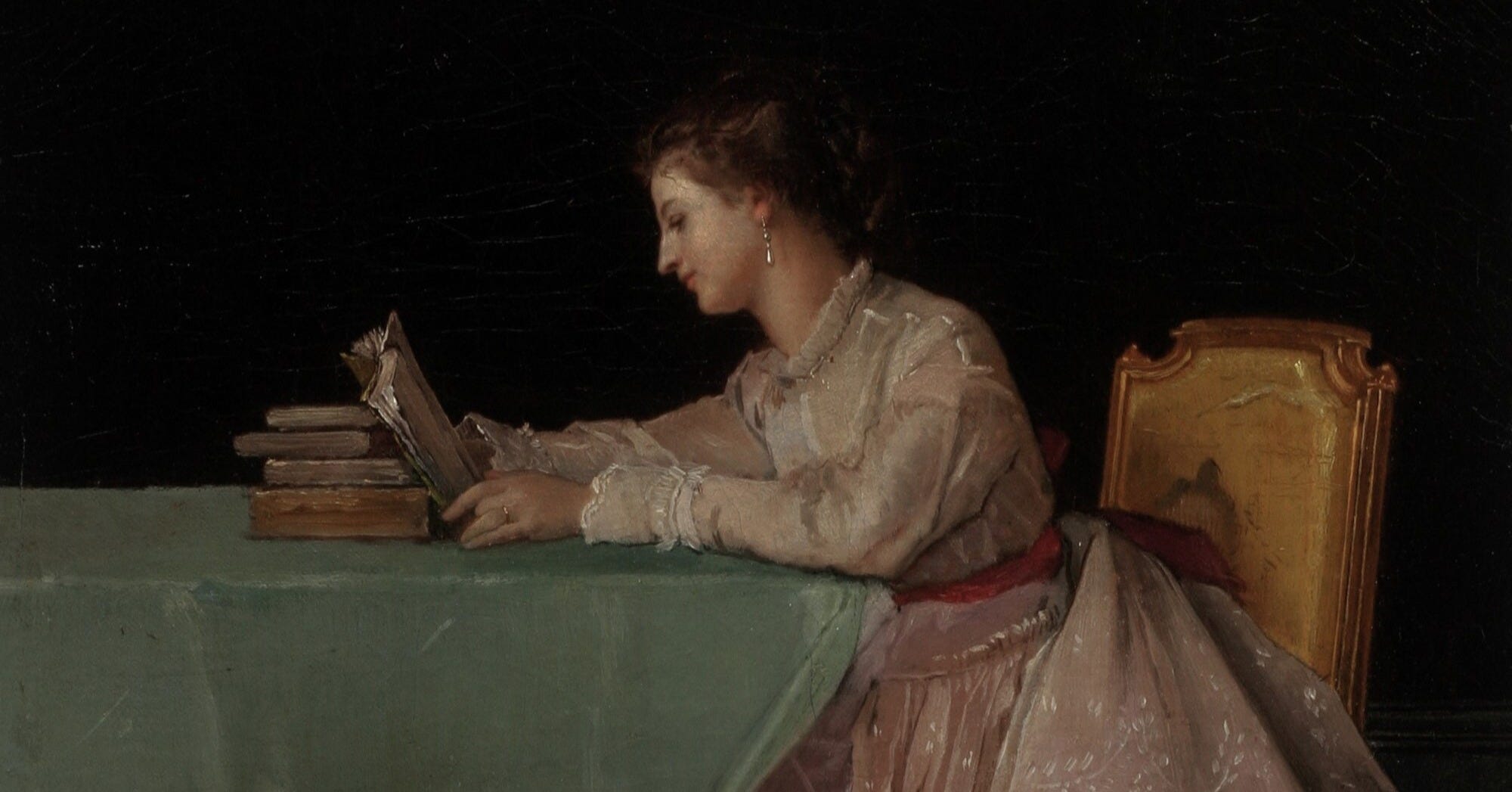
The reading habit to begin this new year: On starting a commonplace book to read more deeply, and as a reference for writing.
The lost art of thinking historically: On the importance of contextualising and thinking critically of the past in a world that tends to oversimplify or sensationalise history.
What are the hidden meanings of dreams? (According to Carl Jung): On Carl Jung's theory of dream interpretation as a dialectic process between conscious and unconscious.
Ten writing prompts: Writing prompts to improve creative thinking. I especially liked the "Distraction Diary" idea.
Film
“The Hourglass Sanatorium” (1973): A dreamlike, kafkesque journey of a man into hist childhood, grief and relationships.
Thanks for reading,
𝒢. 𝒢.
Related posts
The internet atelier

Being born and growing up in the digital era is probably the primary cause of my incurable doomscrolling habits, but not entirely. Algorithms exist for a reason and that is to keep people hooked, always wanting to consume another piece of short-form content they won’t remember, always wanting to comment on …
Archiving VS Collecting

I keep seeing posts on here titled “media archives”, “last month’s archive” and so on, which collect media pieces, ideas and recommendations. I love reading them and I find that I always discover something interesting in them, but my archival science student brain is always triggered by the use of the word “archive” in the title of these types of pieces.
The first time I saw The Hourglass Sanatorium (Sanatorium pod Klepsydrą), I was about 13-14. It was during the final years of communism in Poland, and perhaps the only positive aspect of that time was the abundance of domestic films and films from the Soviet bloc. I became well acquainted with the classics of Russian and Soviet cinema, as well as Czech, Hungarian, and other Eastern European films. I am very fond of The Hourglass Sanatorium — it captures the atmosphere of Bruno Schulz’s novel of the same title extremely well.